The Blog
of the Relais Montmartre hotel in Paris
How can you minimise the environmental impact of your stay in Paris without making life more complicated?
Travelling more responsibly is a topic that is coming up more and more often.
However, many travellers feel that they need to completely change their habits to reduce the impact of their trip. This might mean choosing very specific accommodation, giving up certain activities or completely rethinking the way they travel.
The reality is often much simpler.
In Paris, a few everyday choices are enough to limit your impact whilst still making the most of your stay. Without any particular constraints and without turning your holiday into an exercise in perfection.
Here are a few simple habits to adopt.
Choose to travel by train whenever possible
For travellers coming from France or neighbouring countries, the train is often one of the simplest ways to reach Paris.
As well as generally having a lower environmental impact than flying over short distances, it also offers several practical advantages.
Parisian railway stations are located in the heart of the city, which minimises the need for transfers on arrival. You also avoid the waiting times associated with security checks and the sometimes lengthy journeys between airports and central Paris.
Of course, this option isn’t always available, depending on where the traveller is coming from. But when it is an option, it’s often worth considering.
Making the most of public transport
Paris has one of the most extensive transport networks in Europe.
The metro, buses, trams and trains make it easy to reach most of the capital’s neighbourhoods.
For a stay of a few days, public transport is generally more convenient than a car.
It saves time, avoids traffic problems and minimises the hassle of finding a parking space.
It also gives you greater freedom to enjoy the city without having to worry about the hassles of driving.
Walk whenever possible
This is probably the simplest thing to do.
And often one of the most enjoyable.
Paris is particularly well suited to walking. Many monuments, museums and neighbourhoods can be reached on foot by passing through interesting parts of the capital.
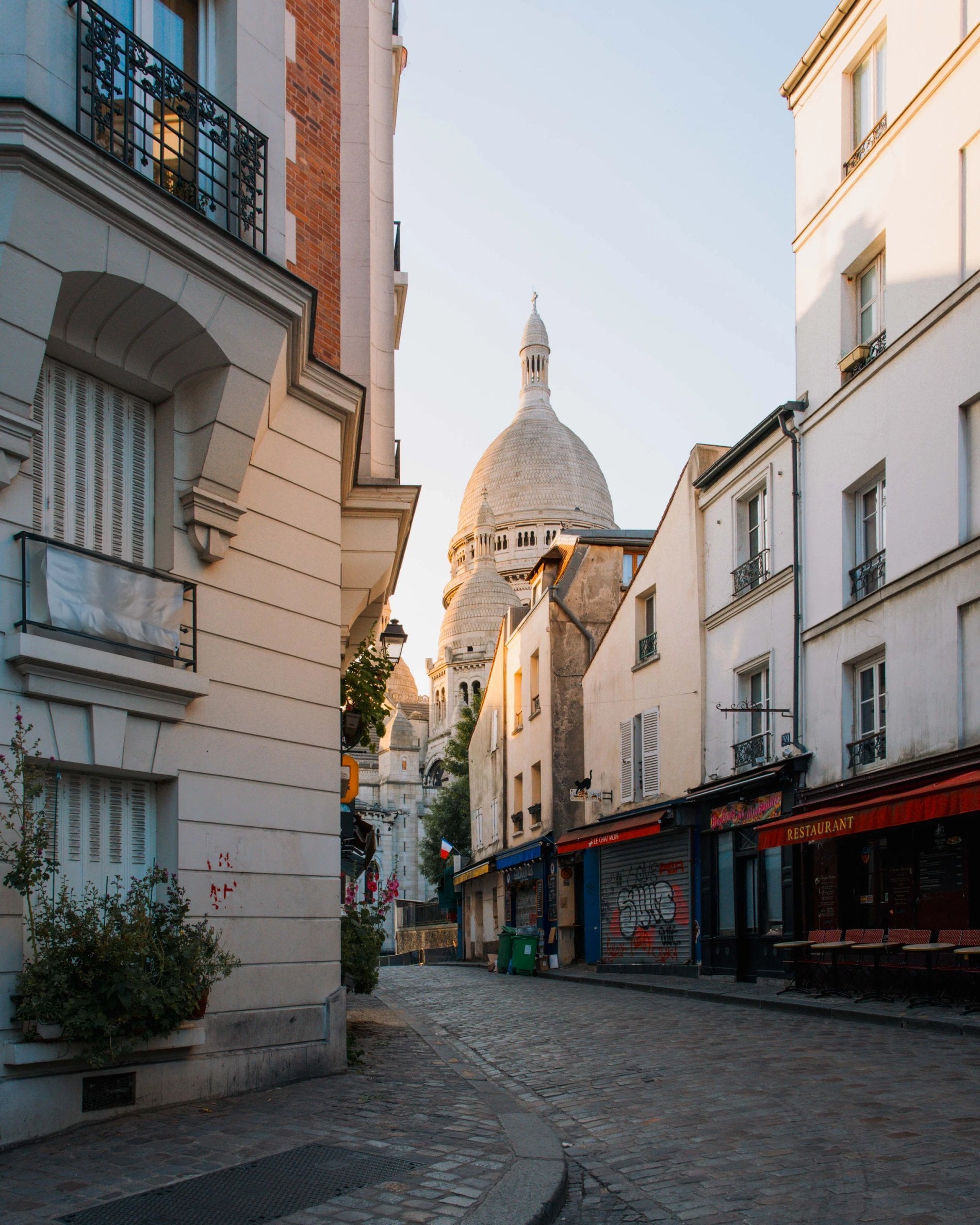
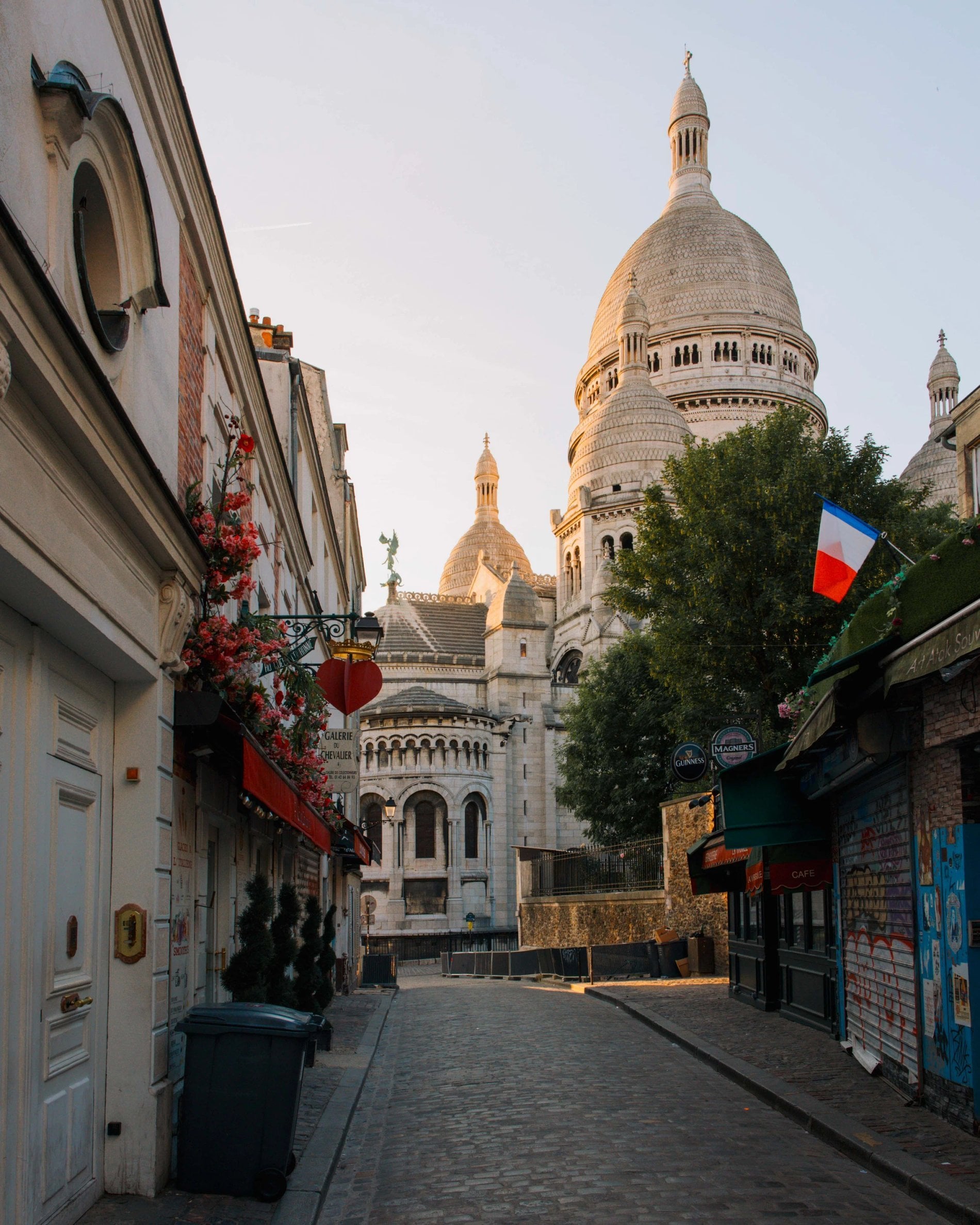
For example, it’s often more enjoyable to walk between Montmartre and the Opéra than to make several changes on the metro.
As well as reducing car journeys, walking allows you to discover another side of the city.
You notice the details more clearly – the shops, the building façades and the narrow streets that are often missed on standard itineraries.
Taking the time to explore a neighbourhood
On a first visit to Paris, it’s often very tempting to want to see everything.
The Louvre in the morning, the Eiffel Tower in the afternoon, Montmartre in the evening, then another neighbourhood the next day.
This constant rushing around sometimes involves a lot of travelling and ultimately leaves little time to really enjoy the places you visit.
Conversely, spending more time in a single neighbourhood often makes for a more enjoyable experience.
You’ll discover the quieter streets, local shops, cafés and the local atmosphere.
This approach involves less travelling and often creates more lasting memories.
Shop locally whenever possible
Paris is brimming with small shops, artisan bakeries, independent bookshops and neighbourhood restaurants.
Choosing these establishments not only supports the local economy but also allows you to discover a more authentic side of the capital.
It’s not about shunning the big chains, but simply making the most of the many alternatives available in Paris’s neighbourhoods.
In Montmartre, this diversity is, in fact, an integral part of the neighbourhood’s charm.
Avoid unnecessary journeys
When planning a trip, it’s sometimes worth thinking about how to organise your visits.
Grouping activities by area often saves time and reduces the need to travel.
For example, a day spent in Montmartre and the neighbouring neighbourhoods will generally be more enjoyable than a series of trips back and forth between several arrondissements.
This approach also simplifies your stay and reduces the time spent on transport.
Do you have to get it absolutely right?
Certainly not.
Travelling more responsibly doesn’t mean striving for perfection.
Every traveller has their own constraints, budget, time available and habits.
The aim isn’t to change everything, but rather to adopt a few simple habits wherever possible.
Taking the train rather than flying for certain distances, walking more or choosing local shops are all positive steps.
These choices, however small, contribute to a different way of travelling.
A simpler and often more enjoyable holiday
What’s interesting is that the most responsible choices are often also the most enjoyable.
Taking the time to walk, exploring a neighbourhood in depth, using public transport or stopping off at local shops generally makes for a more authentic holiday experience.
You slow the pace down a little and get more out of your surroundings.
In Paris, this approach works particularly well.
And in a neighbourhood like Montmartre, it often allows you to discover much more than just the sights listed in the tourist guides.