The Blog
of the Relais Montmartre hotel in Paris
A day in Montmartre, off the beaten track
When we think of Montmartre, the same images often spring to mind: the Sacré-Cœur, the Place du Tertre and the Moulin Rouge. Yet the neighbourhood is not limited to these iconic landmarks.
Behind the busiest streets lies a quieter, more authentic and sometimes even surprising side to Montmartre. By taking the time to stray from the usual routes, you can discover a neighbourhood that has retained some of its village-like charm.
Here’s an itinerary for exploring Montmartre in a different way, over the course of a day.
Start the day in the still-quiet streets of Montmartre
Montmartre changes its character as the day goes on.
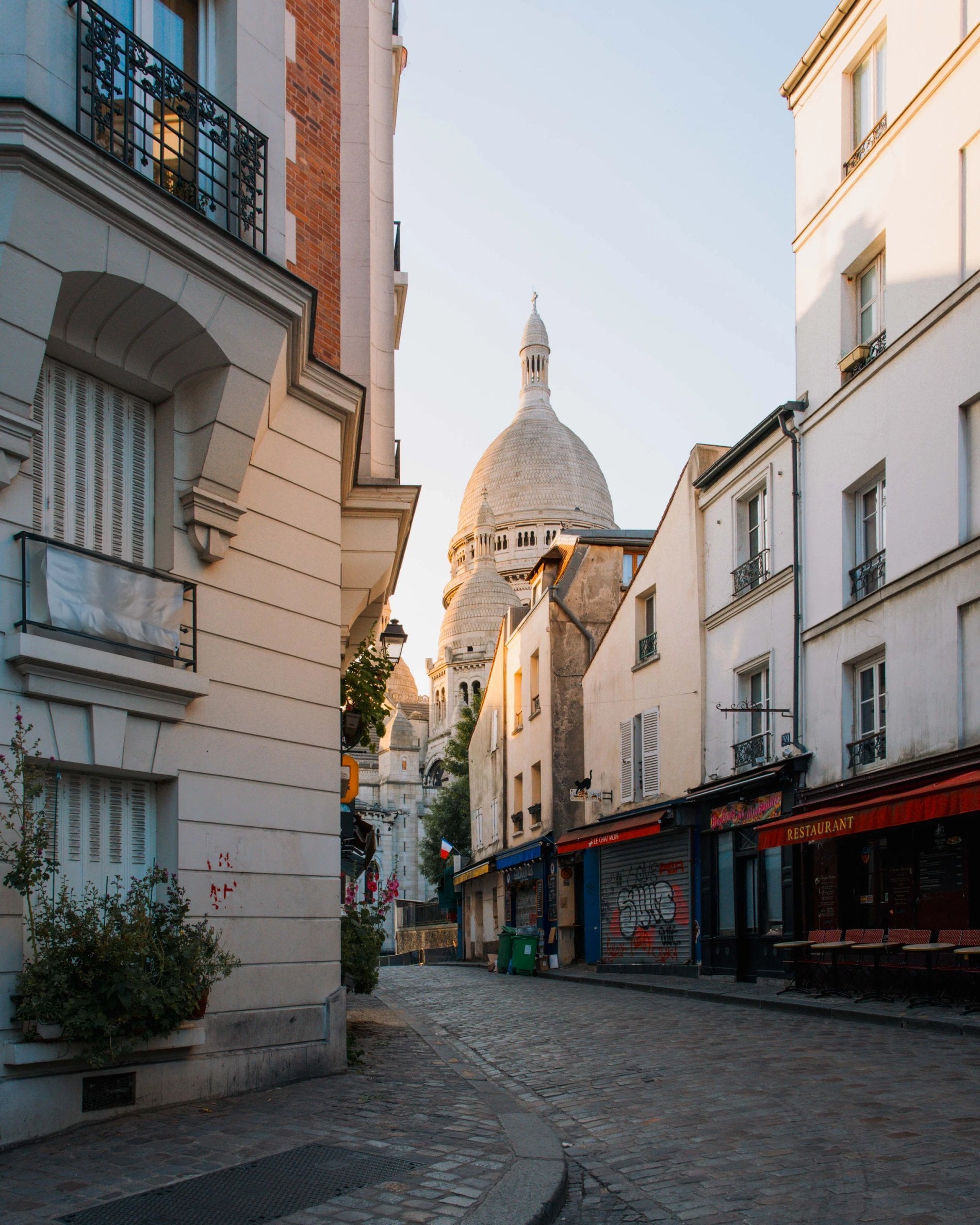
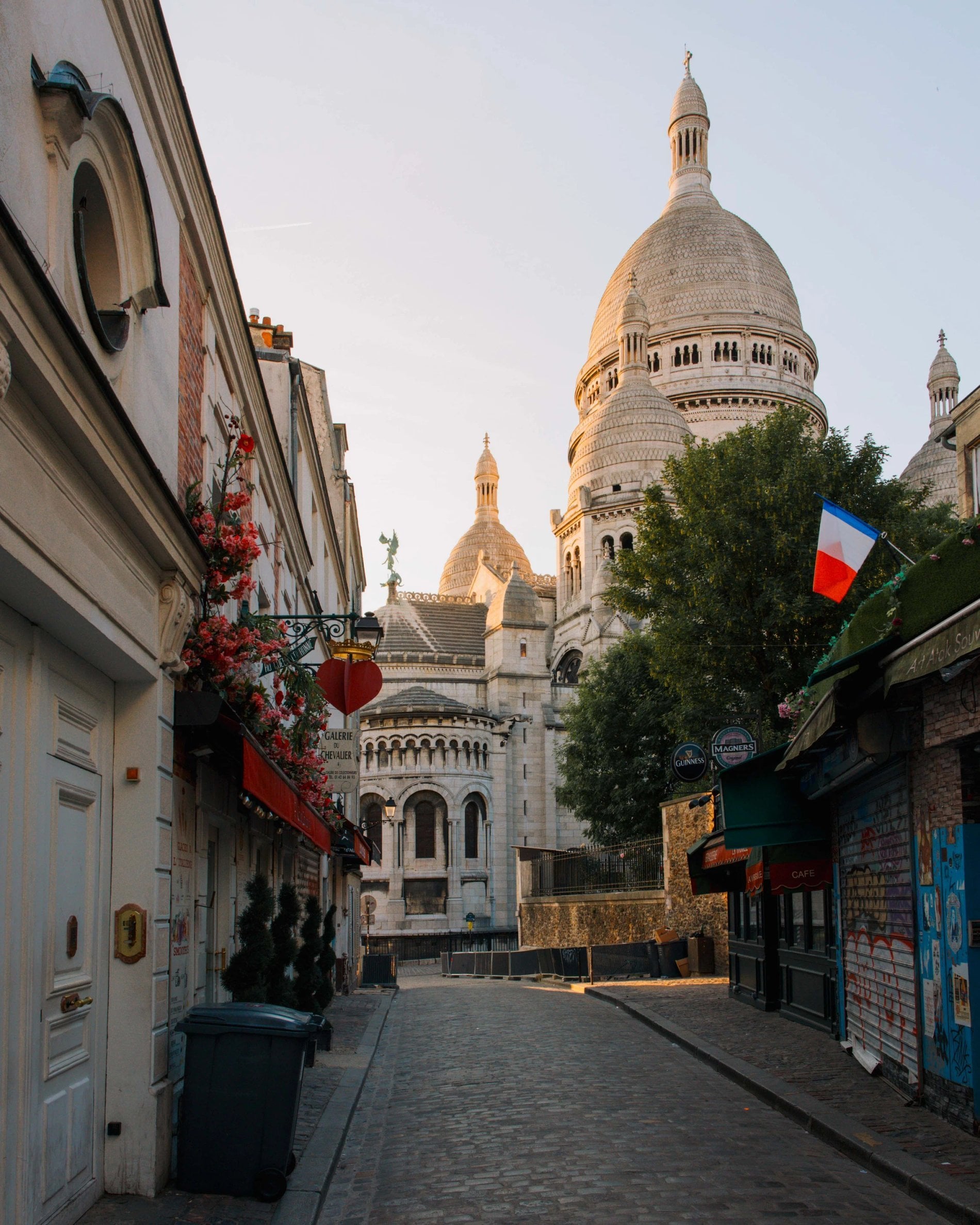
Early in the morning, before the tourist groups arrive, the neighbourhood takes on a much more peaceful atmosphere. Shopkeepers open their shops, outdoor cafés gradually set up their tables, and locals are still enjoying the quiet streets.
From the Relais Montmartre, start your walk along Rue Constance, then head towards Rue Lepic. This iconic street runs through part of the neighbourhood and offers a glimpse of a more everyday Montmartre, far from the hustle and bustle that reigns a few streets further up.
Take the time to admire the façades, the little neighbourhood shops and the buildings that still bear witness to Montmartre’s past as a village.
This first stroll allows you to soak up the neighbourhood’s atmosphere before heading off to lesser-known spots.
Take a detour to the Villa Léandre
Just a few minutes’ walk from Rue Lepic lies one of Montmartre’s most surprising spots: Villa Léandre.
This small residential cul-de-sac is a world away from the image most people have of Paris. Lined with detached houses and small gardens, it is more reminiscent of a London street than a Parisian one.
Built in the early 20th century, it remains one of the most photographed spots today by those who love to discover a more off-the-beaten-track side of Paris.
It’s a quick visit, but it offers a glimpse of an unexpected side to the neighbourhood.
As you continue your stroll, you can then head to another unassuming spot often overlooked by visitors.
Discovering the Cité Véron
Situated behind the Moulin Rouge, the Cité Véron is one of the narrowest streets in Paris.
Many visitors walk just a few metres away without even noticing it’s there.
Yet this short cul-de-sac is steeped in history. It was here that Boris Vian and Jacques Prévert, amongst others, lived. The tranquillity of this street stands in stark contrast to the hustle and bustle of the Boulevard de Clichy, situated right next to it.
The walk takes just a few minutes, but it offers a chance to discover a place intimately linked to Montmartre’s artistic history.
After this more intimate interlude, it’s time to head to one of the neighbourhood’s most delightful museums.
Take a break at the Musée de la Vie romantique
Housed in a former 19th-century mansion, the Musée de la Vie romantique is one of the most charming museums in Paris.
Although often overshadowed by Paris’s major museums, it offers a very different experience.
Here you’ll discover collections dedicated to the Romantic movement and to George Sand. But what often captivates visitors most is the atmosphere of the place itself.
Its inner garden offers a chance to take a break from the hustle and bustle of the city, whilst the tea room in the courtyard is a particularly pleasant spot when the weather permits.
After this visit, it’s nearly lunchtime.
Lunch away from the Place du Tertre
Place du Tertre is one of Montmartre’s must-see spots. However, it isn’t necessarily the best place to sample the neighbourhood’s cuisine.
As in many heavily touristed areas, the most prominent restaurants aren’t always the most interesting.
For lunch, it might be a good idea to head slightly back down towards the neighbouring streets, particularly around Rue des Abbesses or Rue Lepic, where you’ll find more places frequented by local residents.
The aim isn’t necessarily to seek out the best-known restaurant, but rather to take the time to soak up the local atmosphere that gives Montmartre its charm.
Once lunch is over, the stroll can continue towards one of the neighbourhood’s most unexpected landmarks.
Discovering the vineyards of Montmartre
Few visitors imagine finding a vineyard in the heart of Paris.
Yet the Montmartre vineyards are very much real.
The Clos Montmartre stretches across the slopes of the hill and carries on an age-old local tradition. Every year, Montmartre’s famous grape harvest attracts many visitors and locals alike.
Although the vineyard isn’t freely accessible all year round, it can still be seen from several points in the neighbourhood and is a curiosity that serves as a reminder of Montmartre’s rural past.
Just a few minutes away is also the perfect spot to round off the day.
Enjoy Marcel Bleustein-Blanchet Square
Most visitors head straight for the steps of Sacré-Cœur to admire the view over Paris.
However, Marcel Bleustein-Blanchet Square offers a much quieter alternative.
Situated at the foot of the basilica, this garden offers a beautiful view of the monument whilst allowing you to get away from the busiest areas.
It’s a lovely spot to take a break, read a few pages or simply watch the neighbourhood go by before continuing your exploration.
The day is drawing to a close, but Montmartre still has plenty more surprises in store for those who decide to spend a little more time there.
What’s worth seeing if you stay for a second day?
Even just one day is enough to discover some of Montmartre’s charm.
If you have a little more time, there are several other places well worth a visit.
The Montmartre Museum offers the chance to learn more about the neighbourhood’s history and the artists who lived there.
Montmartre Cemetery is home to the graves of many famous French figures and offers a surprisingly peaceful stroll.
The Abbesses neighbourhood is also well worth spending a bit more time in, particularly for its narrow streets, independent shops and village-like atmosphere.
Finally, some of the best discoveries are often made without a set plan, simply by wandering down streets that lead away from the most popular routes.
Discover another side of Montmartre
Montmartre is one of Paris’s most visited neighbourhoods, but it’s also one of those that holds the most surprises for those who take the time to venture slightly off the beaten track.
In just a few hours, you can go from iconic landmarks to hidden alleyways, from panoramic views of Paris to little neighbourhood gems.
It is probably this diversity that gives Montmartre its charm: a neighbourhood where you can still feel as though you’re discovering a more intimate side of Paris, sometimes just a few metres away from the most famous sights.
See also in the same category
Travelling more responsibly is a topic that is coming up more and more often.
However, many travellers feel that they need to completely change their habits in order to reduce the impact of their trip. This might mean choosing very specific accommodation, giving up certain activities or completely rethinking the way they travel.