The Blog
of the Relais Montmartre hotel in Paris
The most beautiful streets of Montmartre to explore on foot
Montmartre is one of the few neighbourhoods in Paris that you can explore almost effortlessly on foot.
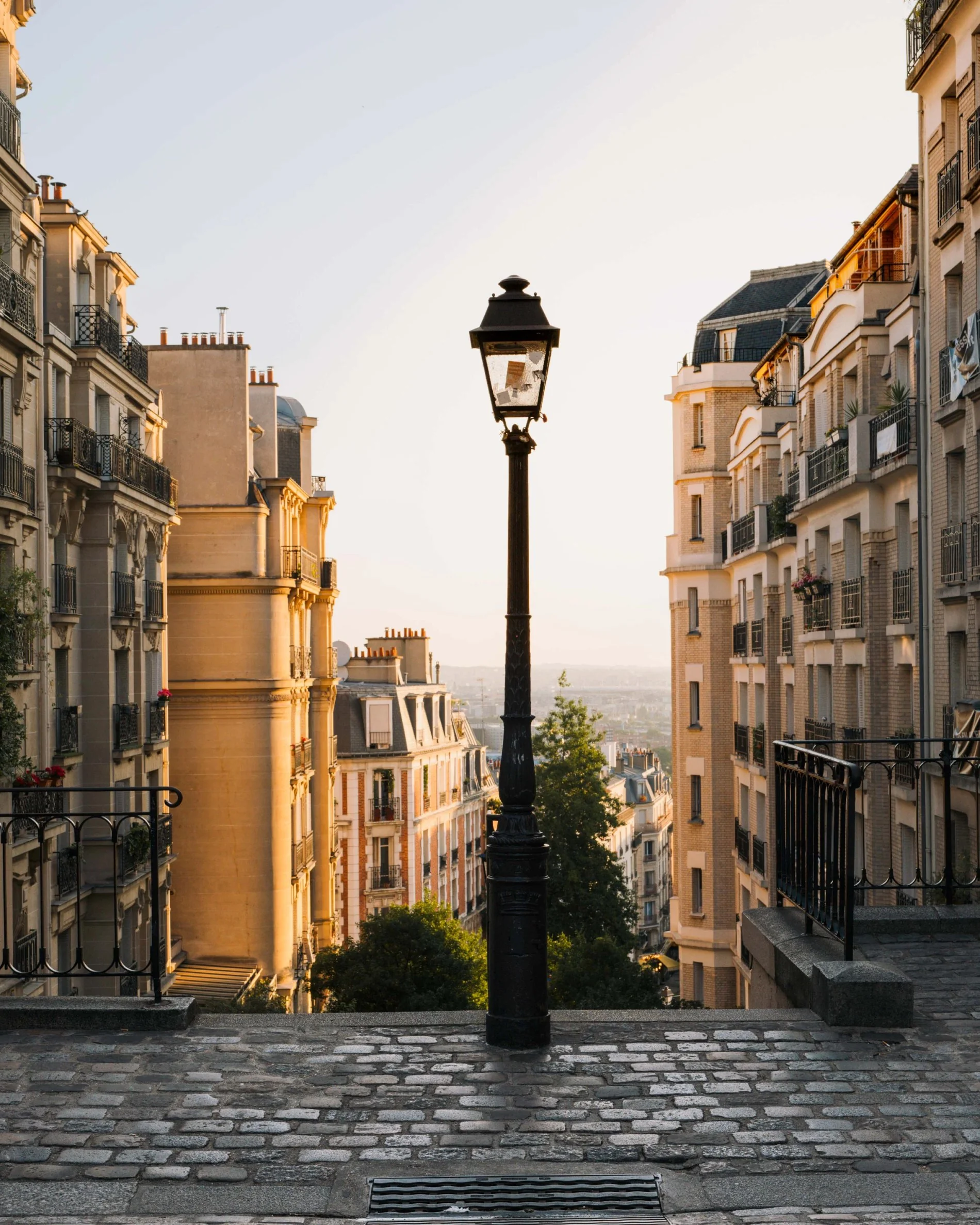
Here, the appeal isn’t just about going from one monument to another. Much of the neighbourhood’s charm lies in its streets, stairways, small squares and the atmosphere that changes from one street to the next.
Whilst some streets are very busy, others remain more secluded, allowing you to discover a quieter, more authentic side of Montmartre.
Here are some of the most beautiful streets to explore on a stroll through the neighbourhood.
Rue de l’Abreuvoir, one of the most photographed streets in Paris
If you had to pick just one street that epitomises Montmartre, it would probably be this one.
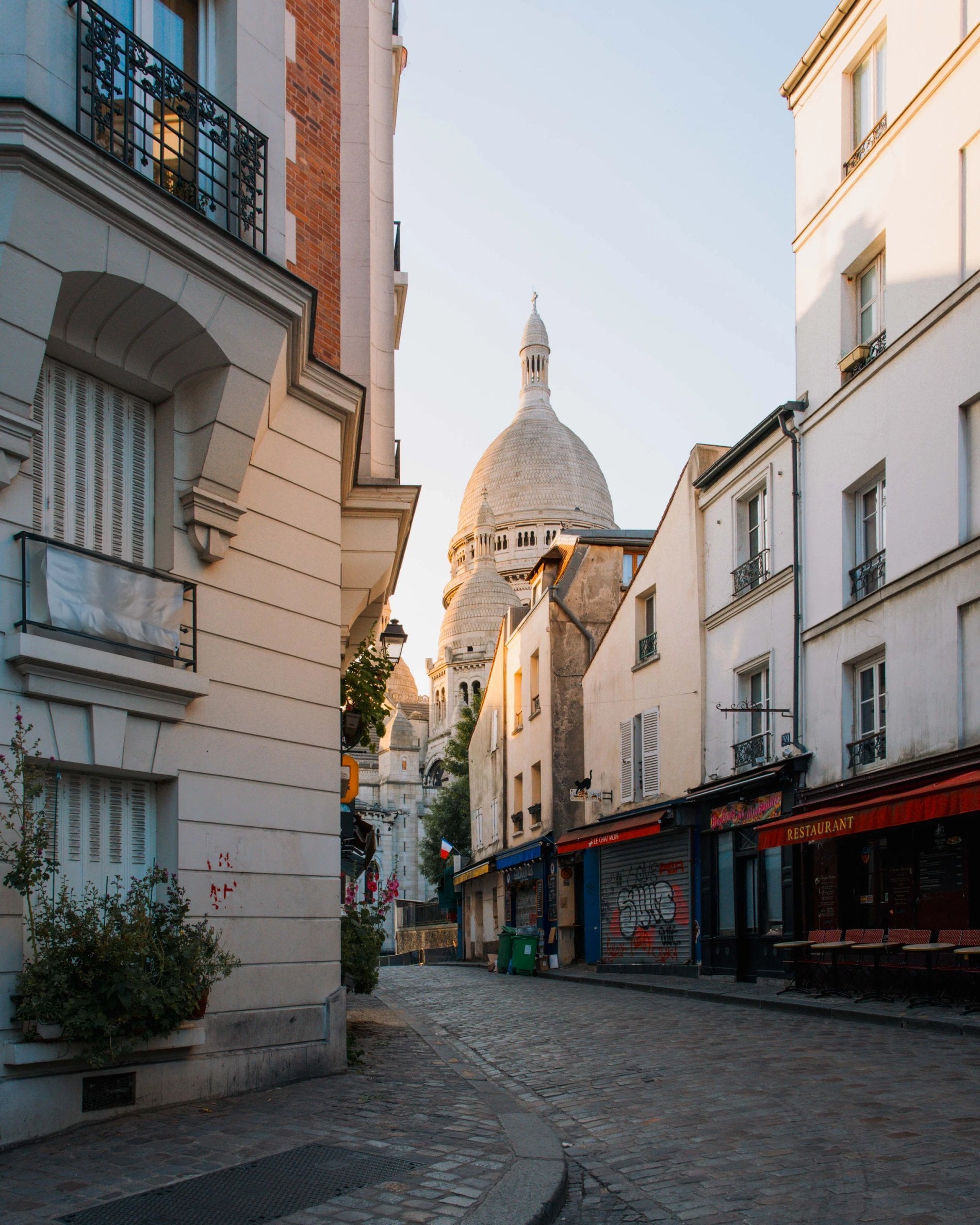
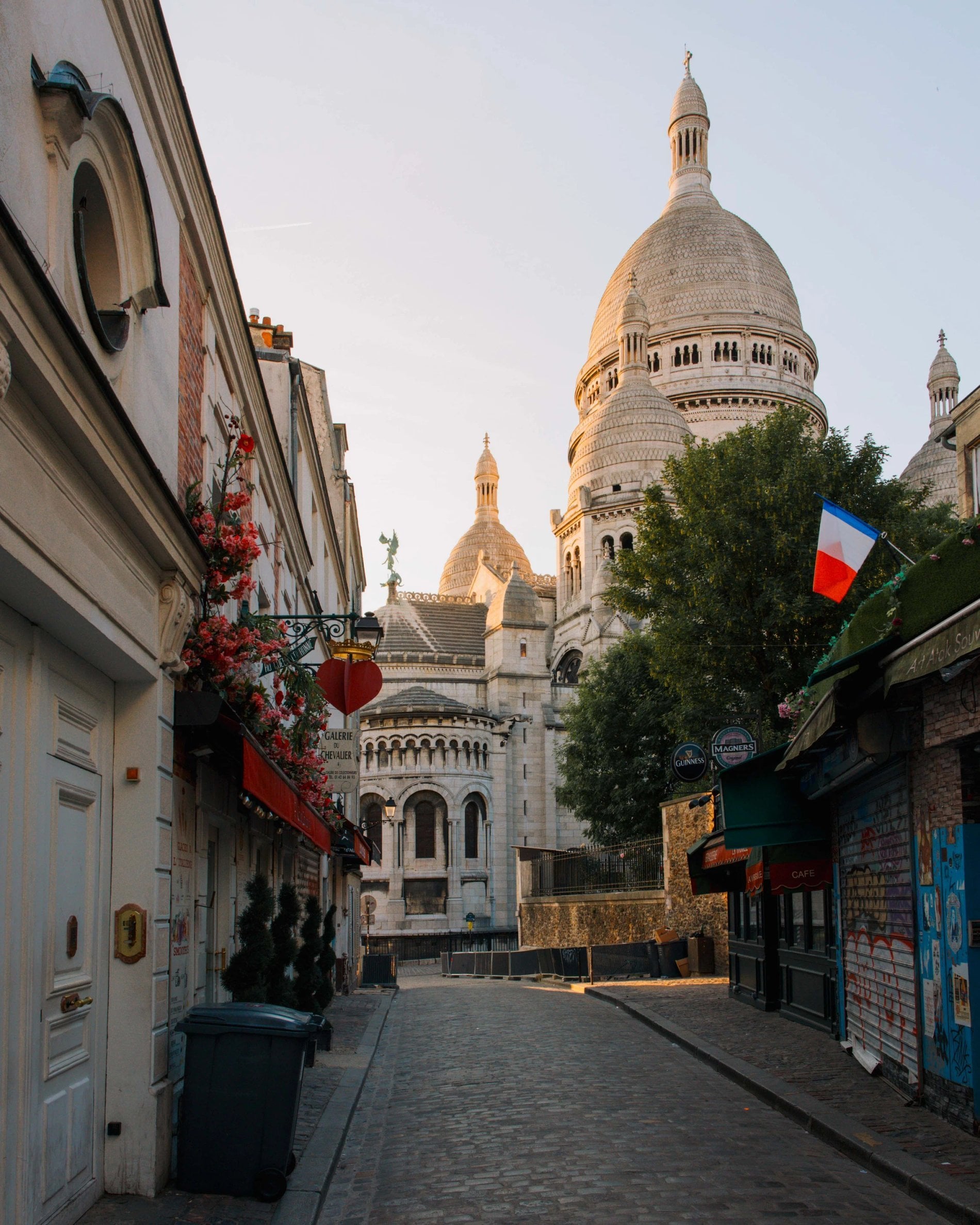
With its cobblestones, its facades covered in greenery and its view of the Sacré-Cœur, Rue de l’Abreuvoir features on some of the neighbourhood’s most famous postcards.
It is also home to the famous Maison Rose, which has become one of the symbols of Montmartre.
Despite its popularity, the street retains a special charm, particularly early in the morning when the neighbourhood is still quiet.
As you continue your stroll, several nearby side streets are also well worth a visit.
Rue Cortot and Old Montmartre
Rue Cortot is one of the oldest streets in the neighbourhood.
It offers a glimpse of a more historic Montmartre, with its stairways, old buildings and almost village-like atmosphere.
It is also on this street that the Musée de Montmartre is situated, housed in one of the neighbourhood’s oldest houses.
If you take the time to wander around here, it’s easy to see why so many artists have chosen to live here over the decades.
A few metres further on, another spot offers a surprising contrast to the usual image of Paris.
Villa Léandre, an unexpected retreat
It’s hard to believe you’re still in Paris when you step into Villa Léandre.
This small residential cul-de-sac is lined with English-style detached houses, with their brickwork, gardens and colourful façades.
The area is relatively unassuming and is often left off the standard itineraries suggested to visitors.
Yet it is one of the most unique spots in Montmartre.
The visit is quick, but it allows you to discover a completely different side to the neighbourhood.
Rue Lepic, Montmartre’s bustling thoroughfare
In contrast to the Villa Léandre, Rue Lepic is one of the liveliest streets in the neighbourhood.
It runs through a large part of the hill and is lined with local shops, cafés, bakeries and restaurants.
It is also a street steeped in history. Vincent van Gogh, in particular, lived there with his brother Theo at the end of the 19th century.
Even today, it remains one of the best places to observe everyday life in the neighbourhood.
As you gradually make your way up towards the heights of Montmartre, the atmosphere of the walk changes once more.
Rue des Saules and the Montmartre vineyards
Quieter than Rue Lepic, Rue des Saules offers a glimpse of a more peaceful Montmartre.
In particular, it runs alongside the famous Clos Montmartre, the last vineyard still in operation in Paris.
This street also offers several interesting views of the neighbourhood and provides easy access to some of the hill’s most iconic spots.
Its atmosphere varies greatly with the seasons, but it remains pleasant all year round.
As you continue your stroll, it’s hard to miss one of the neighbourhood’s best-known squares.
Place du Tertre and its surrounding streets
Although it is one of Montmartre’s most popular tourist spots, the Place du Tertre holds a special place in the neighbourhood’s history.
The artists who exhibit their work there are carrying on an age-old tradition that has played a major part in shaping Montmartre’s reputation.
To make the most of your walk, it’s worth exploring the narrow streets surrounding the square too. Some are much quieter and quickly let you rediscover a more authentic atmosphere.
Just a few minutes’ walk away, other streets offer further delightful discoveries.
The Abbesses neighbourhood
The Abbesses neighbourhood is well worth a stroll in its own right.
Its streets are a mix of independent shops, cafés, bookshops and small squares that all contribute to the neighbourhood’s character.
The atmosphere here is often more local than in the areas around the Sacré-Cœur.
It’s also an excellent starting point for exploring Montmartre without following a set route.
Sometimes, the best discoveries are made simply by turning off at random down a street that catches your eye.
How can you make the most of a stroll through Montmartre?
Montmartre reveals itself differently depending on the time of day.
The morning is often the best time to enjoy the tranquillity of the most famous streets. In the late afternoon, the light really brings out the best in the building façades and the views over Paris.
Ideally, set aside a few hours without a rigid itinerary. The neighbourhood often rewards visitors who take the time to stray from the main thoroughfares to explore its quieter side streets.
From the Relais Montmartre, most of these streets can be reached on foot in just a few minutes.
A neighbourhood best explored on foot
Montmartre is about more than just a few famous monuments.
Much of its charm lies in its streets, stairways, façades and the ever-changing atmosphere as you stroll through it.
Taking the time to explore the neighbourhood on foot allows you to discover a more authentic side of Montmartre and to understand why it continues to charm so many visitors and residents alike.
See also in the same category
Travelling more responsibly is a topic that is coming up more and more often.
However, many travellers feel that they need to completely change their habits in order to reduce the impact of their trip. This might mean choosing very specific accommodation, giving up certain activities or completely rethinking the way they travel.